PYPL Stock Down 31%: Is Now the Right Time to Buy PayPal?
PayPal Holdings Inc. (PYPL), once a darling of the fintech world, has faced a brutal reckoning on the stock market. Over the past year, its shares have plummeted by more than 31%, and in the last 12 months, the decline has exceeded 40%. This significant drawdown naturally begs a crucial question for investors: Is this current dip an attractive entry point to buy PayPal stock, or a clear signal of deeper, more persistent challenges facing the digital payments giant?
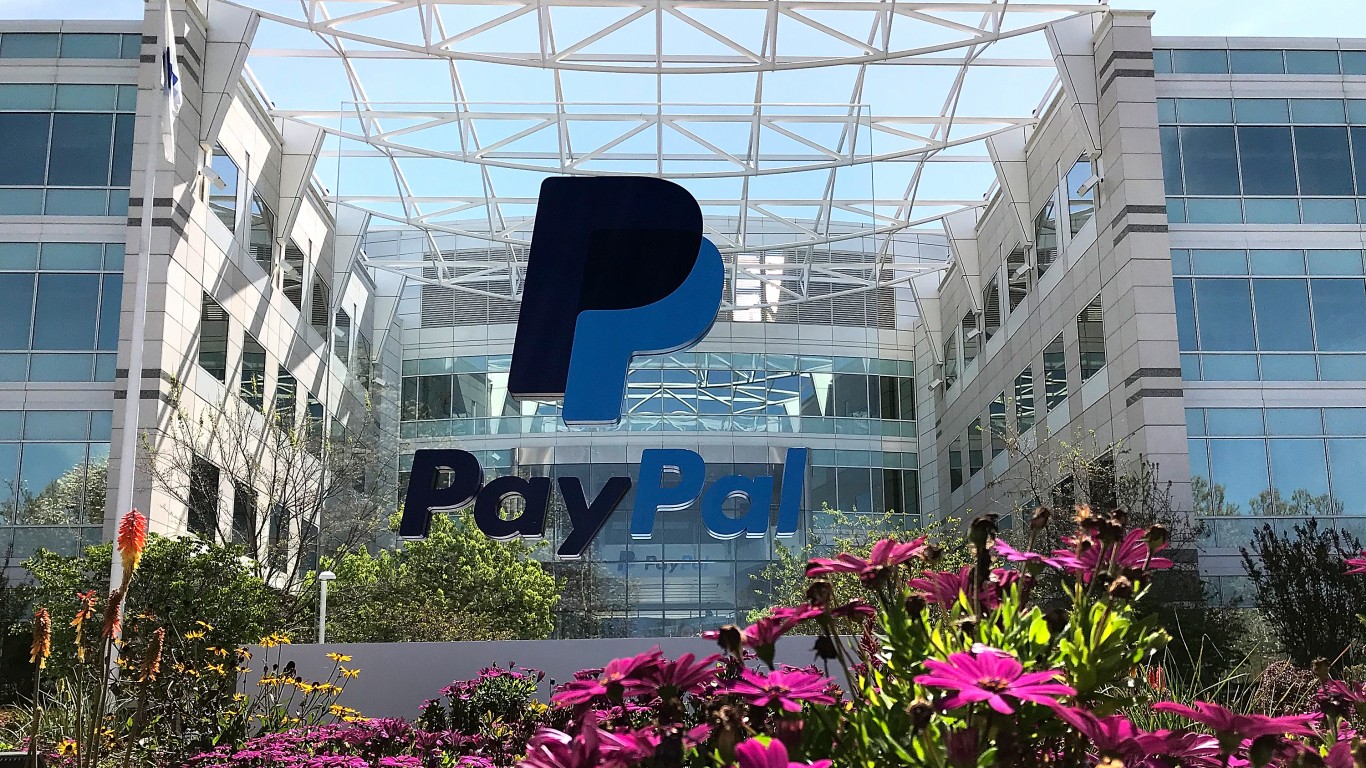
The company, headquartered in San Jose, California, and founded in 1998, is a global leader in digital payments. Its comprehensive suite of solutions, including PayPal, Venmo, Braintree, Xoom, and Paydiant, simplifies commerce for millions of merchants and consumers worldwide. However, despite its established presence and strong brand recognition, recent performance has left many investors questioning its future trajectory. Let's delve into the factors contributing to PayPal's struggles and assess its current investment appeal.
The Challenging Road for PayPal Stock (PYPL)
PayPal's recent stock performance reflects a confluence of factors that have eroded investor confidence. The dramatic decline from its 52-week high of $79.50 to current levels around $46.99 (as of recent data) highlights a significant re-evaluation of its growth prospects.
A primary driver of this slowdown is the intensified competition in the digital payments arena. What was once a relatively uncluttered space for PayPal has become a battleground with formidable rivals like Apple Pay, Google Pay, and numerous other fintech startups vying for market share. These competitors, often backed by tech giants or offering specialized services, have put immense pressure on PayPal's traditional revenue streams and ability to attract new users.
Compounding this issue is a noticeable deceleration in PayPal's user acquisition and revenue growth. In 2021, the company boldly aimed for 750 million active accounts by the end of 2025. This ambitious target was eventually abandoned, with the total number of year-end active accounts only modestly increasing from 426 million in 2021 to 439 million in 2025. This indicates a struggle to expand its user base, a critical metric for a platform-based business. Management has cited inflationary headwinds impacting consumer spending, but the competitive landscape clearly plays a significant role. Furthermore, the involuntary decoupling from eBay, which fully phased out PayPal as its primary payment processor by 2023, also removed a significant transactional volume source for the company.
Valuation vs. Growth: A Deeper Dive into PYPL's Metrics
On the surface, PayPal's current valuation metrics might appear appealing to value investors. Trading at a compelling price-to-earnings (P/E) ratio of approximately 8.15 and around 11 times earnings and cash flow, the stock certainly looks "cheap" compared to its historical averages and many of its tech peers. This low valuation suggests that the market has already priced in many of the company's existing challenges.
Moreover, PayPal continues to generate strong cash flow, a robust indicator of its operational efficiency and financial health. A company with healthy cash flow has the flexibility to invest in growth, reduce debt, or return capital to shareholders through dividends or share buybacks. PayPal’s current market capitalization stands at $43.29 billion, underscoring its significant scale despite the recent stock decline. The company has also announced plans for share buybacks, which can boost earnings per share and signal management's belief that the stock is undervalued.
However, the "cheap" valuation comes with significant caveats. The primary concern is growth stagnation. While a low P/E might hint at a bargain, it could also be a warning sign of a "value trap" if the company's growth prospects remain dim. Growth is expected to be in the modest 8% range next year, which is a far cry from the high-growth rates investors have historically associated with fintech innovators. This situation raises the question:
PayPal Stock (PYPL): Is its Low P/E a Buy Signal or a Trap?
Another critical metric signaling concern is the significant erosion of PayPal's profit margins. A decade ago, margins were comfortably above 70%; today, they hover around 50%. This decline reflects the intense pricing pressure from competitors, forcing PayPal to offer more competitive rates or invest heavily in retaining market share, thereby eating into profitability. Weak forward guidance from management further exacerbates these concerns, indicating that they do not foresee a rapid turnaround in the near term.
Navigating the Competitive Landscape and Future Prospects
PayPal's future hinges on its ability to innovate and adapt to a rapidly evolving fintech landscape. The company has acknowledged the challenge and is investing in artificial intelligence (AI) to enhance its platforms, improve user experience, and streamline operations. These investments are crucial for maintaining a competitive edge and potentially unlocking new revenue streams.
However, the company has also been criticized for being late to adopt new technologies and trends that have gained significant traction, such as Buy Now Pay Later (BNPL) services and stablecoins. While PayPal eventually entered the BNPL market, it did so after several competitors had already established a foothold. This historical lag in innovation, combined with the sheer volume of new entrants, poses an existential challenge. Investors need to carefully consider
PayPal's Future: Competition, Weak Guidance, and PYPL Stock, especially in light of the fierce regulatory scrutiny that often accompanies large fintech players, impacting overall sector sentiment.
Expert Opinions and the Path Forward
Given the mixed signals, it's not surprising that analyst sentiment towards PayPal is largely cautious. Of 47 analyst ratings, a significant 66% recommend "Hold," with only 23.4% advocating a "Buy" and 10.6% suggesting a "Sell." This indicates that while analysts acknowledge the potential for upside given the cheap valuation and strong cash flow, most are hesitant to recommend buying at this juncture, advocating instead for prudence and better timing for acquisitions.
Past performance also serves as a cautionary tale. A previous "Top Pick" recommendation for PYPL triggered its stop at $65, resulting in a net investment loss of 6% for those who followed the advice. This underscores the volatility and risks involved, even for seemingly established companies.
For investors considering whether to buy PayPal stock, several practical tips are essential:
*
Conduct Thorough Due Diligence: Look beyond the headline numbers. Understand the long-term strategic plans of CEO Jamie S. Miller and his team, and evaluate their ability to execute against fierce competition.
*
Monitor Earnings Reports: Upcoming earnings reports (e.g., the one often anticipated around May 5th) will provide crucial insights into the company's performance, guidance, and any shifts in strategy.
*
Assess Your Risk Tolerance: While the stock is cheap, the road to recovery may be long and bumpy. This is not a "set it and forget it" investment without understanding the inherent risks in a highly competitive and regulated industry.
*
Consider Dollar-Cost Averaging: If you believe in PayPal's long-term potential but are uncertain about the current bottom, gradually investing over time through dollar-cost averaging can mitigate the risk of buying at a peak.
*
Watch for Catalysts: Look for clear signs of improved growth, stabilized margins, successful new product launches, or more optimistic forward guidance before committing significant capital.
Conclusion
PayPal stock is at a crossroads. Its significantly reduced valuation, coupled with strong cash flow and strategic investments in AI and share buybacks, presents a compelling argument for value investors. The company's foundational solutions like PayPal and Venmo remain widely used, and its long history in digital payments provides a deep well of experience.
However, the headwinds are undeniable: stagnant user growth, fierce competition eating into margins, and conservative forward guidance paint a picture of a company struggling to recapture its former dynamism. Analysts' hesitation to issue strong buy ratings, despite the "cheap" price, underscores the prevalent caution.
For long-term investors with a high tolerance for risk and a belief in PayPal's ability to innovate its way out of its current challenges, the current price might represent an opportunity to initiate a position. However, for most, a more prudent approach would be to exercise patience, closely monitor upcoming financial results, and look for clearer signs of sustainable growth and margin stabilization before deciding to buy PayPal stock. The current environment suggests that caution, rather than immediate action, is the most recommended strategy.